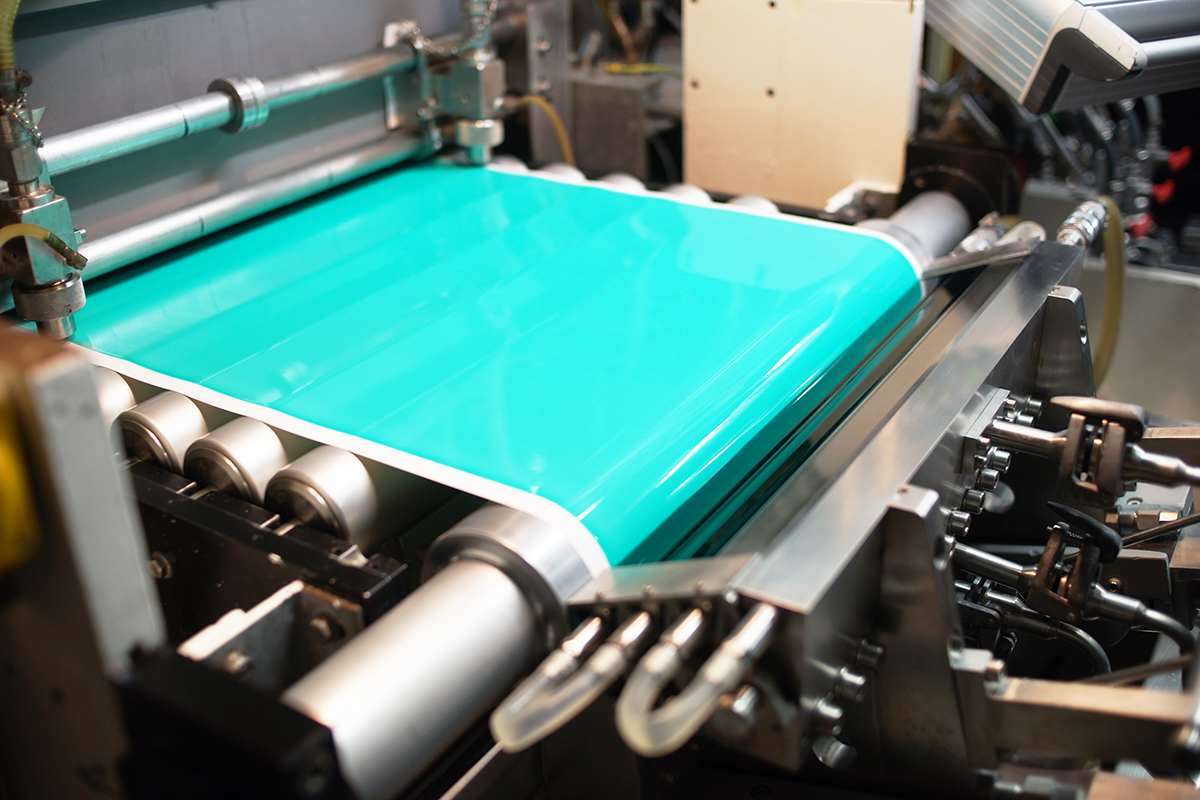
[font=arial, helvetica, sans-seri[size=4]At the time, however, you pointed out that, due to the large batch sizes required by the coating machine, the production costs would be too high and the resulting retail price would therefore not be competitive.
[/size]
?
Not quite. If we were to order a sufficient quantity, we could have lowered the price to a marketable level. However, the required quantity was so high that we could neither have financed it nor had the customers for it.
The real problem wasn’t the coating costs, but the complete collapse in the price of analogue materials, particularly film, and specifically 400-speed film. Our plans simply didn’t work out at that point. We thought that once Agfa’s 400-speed film was off the market, the price would rise back to a reasonable level. However, that didn’t happen due to the ruinous competitive pressure that has characterised the entire industry for years.
There is such a wide selection of 400-speed black-and-white films on offer at rock-bottom prices that we could never compete. Kodak or Ilford only earn pennies per film, and they produce hundreds of thousands of units per batch. What we can now do with the small machine is produce small batch sizes. So if there were a 400 film that could be sold at a significantly higher price than HP5 or Trix-X (because it can do something special), then the small machine would help make that possible.
For example, an IR 400.
?
Best regards,
?
Mirko